
Rivercane Restoration
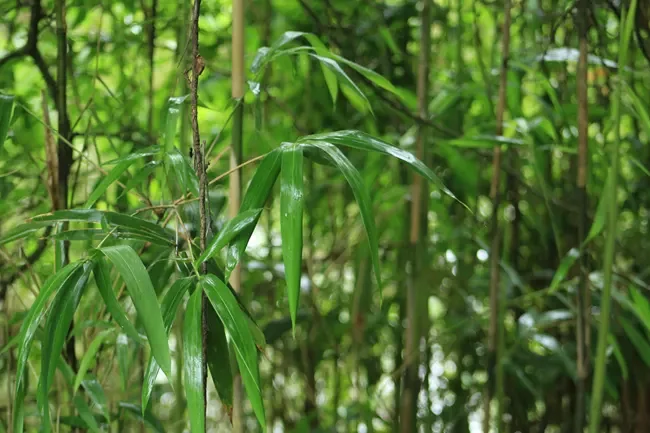
Amidst the stories of how Hurricane Helene was able to overwhelm and ravage our region, an important vegetal character is often missing. For countless millennia, rivercane (Arundinaria gigantea) was a keystone species that grew extensively in the floodplains of the streams and rivers that interlace our region, filtering runoff, curbing erosion, mitigating flooding, sequestering carbon to create topsoil, providing critical habitat for 60+ species, and providing essential materials for indigenous peoples.
Historically, the plant thrived under indigenous stewardship and comprised a vast savannah grassland of the South. The first peoples throughout the Southeast have long known that rivercane is vital to the fabric of the ecosystem and offers many gifts. For example, rivercane is used by Cherokee artisans in many applications, including baskets, mats, blowguns, instruments, and more. Research shows that a rivercane buffer of 22 feet can reduce erosion and sediment runoff by 100%, compared with about 75% for a forest buffer of similar size. However, rivercane ecosystems have been reduced to less than 2% of their historic footprint.
Many people observed that, during Hurricane Helene, where rivercane stands existed the soil remained intact. Imagine how much less severe the damage from the floodwaters might have been if the waterways in WNC were shrouded by intact canebrakes. And what if, in the aftermath of the historic storm, we can move together to bring rivercane back to our scoured streambanks and damaged floodplains, stewarding the establishment of canebrakes throughout our region? We could not only reduce the impacts of the next storm, but also bring forth many other gifts and 'ecosystem services' rivercane generously offers.
Our current approach is to focus on the planting stock supply bottleneck. By working through our Bulk Purchasing Program, we can pool our collective purchasing power, as well as bring in supplementary funds and collective labor, to help local nurseries to make rivercane plants available locally at an affordable price. We are currently carrying out a grant funded project to partner with a few local nurseries, contracting with them for the production of approximately 2,000 rivercane plants that will be available for purchase at the end of 2026. Our hope is that this project will help these nurseries add rivercane to their offerings on a consistent basis, and possible contract with CWNC on an ongoing basis so we can continue to offer these plants at a low cost to people in our network.
Over the long term, after many more canebrakes are established and thriving in our region, intention is to make the cane materials available for harvest to artisans of the Eastern Band of Cherokee Indians, who have a rich history of art and relationship with rivercane and have shared that there is not enough rivercane for a renewed generation of basketmakers to harvest.
Learning Resources
Indigenous Approaches to Rivercane Restoration Workshop - Videos
Indigenous Approaches to Rivercane Restoration Workshop - Report
Propagating Native River Cane (Arundinaria gigantea) Rhizomes in Great Value Sandwich Bags
Ethnobotanist David Cozzo on traditional Cherokee artisan resources - videoRivercane Restoration Alliance - Summer 2025 Newsletter
Restoring old-growth River Cane Systems and cultural connections | US Forest Service
Local+Regional Projects
Appalachian Watershed Alliance - “Strengthening watershed initiatives and implementing regenerative projects across the Appalachian region”
River Cane - Key to Restoring a Signature Mountain Ecosystem | Riverlink
Native river cane makes a return to the Pigeon: The Mountaineer - Restoration Systems
Haywood Waterways plants river cane groves along the Pigeon | Outdoors | themountaineer.com